Top access problems for N15 removals and how to fix them
Posted on 30/06/2026
If you are planning a move in N15, chances are you are already thinking about boxes, lift access, parking, and whether the van will actually get close enough to the property. That is exactly where things often go sideways. Top access problems for N15 removals and how to fix them is not just a checklist for movers; it is the difference between a calm moving day and one that drifts into delays, stress, and extra cost. In this guide, we will walk through the most common access headaches in and around N15, explain why they matter, and show you practical fixes that make the whole job easier.
Some of these problems are obvious, like a narrow terrace road or a flat on the third floor. Others sneak up on you at the last minute: a blocked entrance, a missed parking restriction, a lift that is smaller than the sofa, or a building manager who wants notice before any van arrives. Truth be told, a lot of moving-day friction comes down to access, not volume. Let's sort it properly.
Quick takeaway: good access planning saves time, reduces handling damage, and helps your removals team use the right vehicle, equipment, and timing from the start.
Why Top access problems for N15 removals and how to fix them Matters
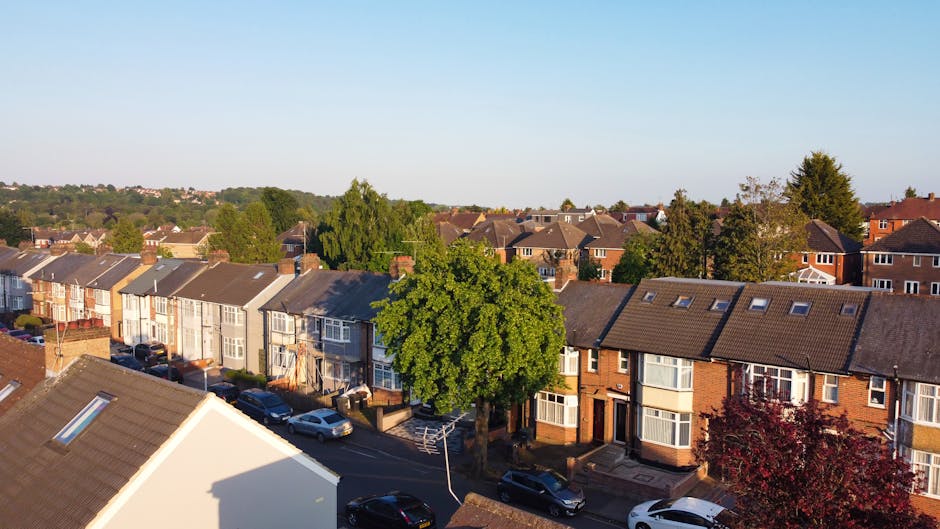
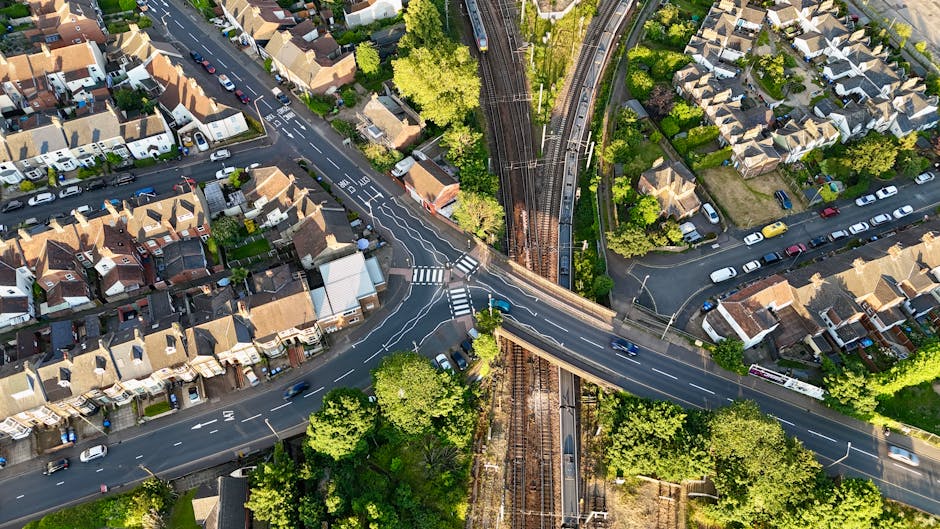
Access is one of those moving factors that people underestimate until the first trolley gets stuck at the kerb. In N15, this matters even more because many homes sit on busy streets, older terraces, converted flats, or small-rise blocks where loading space is limited. If the removal team cannot park near the door, every item takes longer to move. That usually means more labour time, more risk of knocks and scrapes, and more pressure on everyone involved.
Why does that matter so much? Because access shapes the entire removal plan. A property with easy front-door loading can often be handled quickly with a smaller vehicle or a straightforward booking. A property with awkward access may need a different van size, extra crew, a timed arrival, or even a shuttle system from a nearby bay. The earlier you identify that, the smoother the move.
There is also the stress factor. Nobody wants to stand outside with a wardrobe while a parking issue gets argued over. And let's face it, moving day already has enough moving parts. When access is sorted, everything feels more under control. Even a simple step like checking whether the key handover gives you entry to the service door can save you a silly amount of faff.
If you are comparing removal help, it is worth looking at a provider's overall approach, not just the vehicle itself. Pages like the services overview and removal services in Haringey are useful starting points when you want to understand how a move can be tailored to access conditions. For budget planning, the pricing and quotes page can also help you think through what may affect the final cost.
How Top access problems for N15 removals and how to fix them Works
The process is simpler than it sounds. You identify the access barrier, measure or describe it clearly, and then match the right fix to the problem. In removals, that usually means turning a vague concern like "the street is a bit tight" into something usable: "there is no direct parking outside, the bay is 40 metres away, and the lift only fits two people and small boxes." That level of detail changes the move plan.
A good removals plan normally considers four access zones:
- Street access - can the van stop close to the property?
- Building access - are there gates, intercoms, security desks, keypads, or locked common areas?
- Internal access - lifts, stairs, tight corners, narrow hallways, split-level layouts, and communal landings.
- Destination access - does the new place have the same issues, or different ones?
Once those are clear, fixes become practical rather than theoretical. For example, if a van cannot park directly outside, you might:
- book a smaller vehicle that can fit into a tighter gap;
- arrange a waiting bay or loading point;
- schedule the move for a quieter time;
- pre-book extra manpower for a longer carry;
- split the load across two runs if it is genuinely safer.
Sometimes the best fix is not dramatic at all. It is just good sequencing. Pack the easy items first, keep bulky furniture near the exit, and leave fragile items until the path is clear. The obvious stuff, yes, but it works.
Key Benefits and Practical Advantages
Sorting access before moving day brings a lot more than convenience. It affects safety, cost, speed, and the condition of your belongings.
1. Less handling, less damage
When the van can park close by, heavy items are moved fewer times. Fewer lifts means fewer chances for damage. That is especially helpful with awkward furniture, mirrors, and white goods. If you need specialist handling, a dedicated option like furniture removals in Haringey can be a smart fit.
2. Better time control
Access problems slow everything down. A short flight of stairs sounds harmless until you are carrying ten boxes and a sofa through it. Good planning keeps the schedule realistic. That matters for landlords, families, students, and offices alike.
3. Lower stress for everyone
There is a visible difference between a move where everyone knows the route, the parking spot, and the entry code, and one where people are improvising in the rain. You can almost hear the tension go down when the team has a clear plan.
4. More accurate quotes
Access details help removal companies quote properly. That means fewer surprises on the day. If you want to avoid nasty add-ons or vague pricing, the article on avoiding hidden fees in removal quotes is worth a look.
5. Smarter vehicle choice
Not every move needs a large van. Sometimes a smaller vehicle is the better access solution because it can get closer and reduce carry distance. Other times, a larger van reduces the number of trips. It depends. That is the point.
| Access issue | Typical risk | Practical fix | Best when |
|---|---|---|---|
| No parking directly outside | Long carry, delays, extra labour | Reserve loading space or use a smaller van | Residential roads with limited bays |
| Stairs only, no lift | Slower movement, higher injury risk | Add crew members and protect fragile items | Upper-floor flats |
| Narrow entrance or hallway | Furniture jams, wall marks | Measure large items and dismantle where possible | Older terraces and conversions |
| Restricted building access | Waiting around, missed slot | Get entry instructions and book the right time window | Managed blocks and offices |
| Busy road or market-day congestion | Delays, parking difficulty | Choose an off-peak move time | Dense neighbourhoods and high-traffic streets |
Who This Is For and When It Makes Sense
This topic matters for almost anyone moving in N15, but it is especially useful if your property has any of the following:
- a flat above ground floor;
- shared entrances or secure gates;
- limited on-street parking;
- tight hallways, staircases, or landings;
- large furniture that cannot easily turn corners;
- a strict move-out or move-in time;
- shared access with neighbours or other businesses;
- storage items being collected or delivered in stages.
It is also highly relevant if you are handling a student move, a family house move, or an office relocation. Different moves, same core issue: if the access is awkward, the move needs more planning. Students often underestimate how much a third-floor walk-up changes the job. Offices, on the other hand, tend to run into lift booking rules, access passes, and timed loading bays. The moving logic is the same, just with different paperwork and a bit more coffee.
If you are planning a smaller move and want a flexible setup, the man and van Haringey and man with a van Haringey options can be a practical place to start. For larger household moves, house removals in Haringey is a more suitable route. And if the property is compact or split across levels, flat removals may be the better match.
Step-by-Step Guidance
Here is the simplest way to fix access problems before they become moving-day problems.
Step 1: Walk the route from street to room
Do not just look at the front door. Walk the entire route with your phone camera if possible. Check kerbs, gates, stairs, lift size, handrails, hallway bends, and whether there is space to set items down. If you can, measure the widest item you are moving and compare it to the narrowest point on the route. That is where surprises show up.
Step 2: Identify what will actually be carried
A lot of access trouble comes from one oversized item, not the whole move. A sofa, mattress, wardrobe, piano, or dining table can change the plan completely. If you have special items, it helps to book the right type of service, such as piano removals for heavier or more delicate pieces, or furniture removals for bulky household items.
Step 3: Confirm parking and loading arrangements
Find out whether there is a bay, a permit zone, a loading area, or a time restriction. If parking is impossible directly outside, work out the nearest realistic stop point. Ten metres can be fine. Fifty metres starts to matter. A lot. Especially with stairs.
Step 4: Tell the removals team the truth, not the best-case version
It is tempting to say, "It should be okay," because nobody wants to overcomplicate things. But a vague answer rarely helps. Give the awkward details upfront. Mention the gate code, the broken lift button, the steep step at the entrance, the narrow alley, and the fact that the road is busy between 8 and 10 a.m. Those little things are the things.
Step 5: Match the fix to the issue
Some issues need planning, some need equipment, and some need timing. For example:
- Narrow access: dismantle furniture, pad corners, use slimmer trolleys.
- Long carry: add movers and allow more time.
- No lift: use more boxes of manageable weight rather than overloaded ones.
- Busy street: move earlier, later, or on a calmer day.
- Complex building access: pre-arrange entry and lift use with building management.
Step 6: Keep a backup plan
A backup plan does not mean expecting trouble. It just means being sensible. If parking falls through, where will the van wait? If the lift is out of service, what is the stair route? If the street is blocked by another vehicle, what is the nearest legal fallback? This is the kind of planning that saves a move from becoming one long sigh.
Expert Tips for Better Results
In practice, the best access fixes are boringly effective. Not glamorous, but very effective.
- Book the move with access in mind, not just by date. A quiet Tuesday morning can be far easier than a Friday afternoon, even if the property itself is unchanged.
- Use smaller boxes for heavy items. It sounds obvious, but too many people pack books into huge boxes and then wonder why the stairs feel cruel.
- Ask for photos from the building entrance. If you are unsure, a quick photo of the doorway, hallway, and road outside tells a lot.
- Disassemble what you can before the van arrives. Wardrobes and bed frames are much easier to move once they are split down.
- Keep pathways clear the night before. Shoes, bikes, bins, laundry baskets, and plant pots all become obstacles at exactly the wrong moment.
- Protect the access route. Floor runners, blankets, and corner guards reduce the chance of scuffs on shared stairs and landlord-sensitive areas.
If you are moving out of a property with sustainability in mind, you may also want to think about what happens to unwanted items. The page on recycling and sustainability is a sensible companion read if you are decluttering as part of the move.
One small but useful tip: do not leave your access questions until the day before. That is when everyone becomes suddenly busy and nobody wants to answer the phone. Ask early. It really does help.
Common Mistakes to Avoid
Most access problems are fixable. The costly bit is usually the mistake that creates them in the first place.
Assuming the van will fit without checking
This is the classic one. A street can look roomy from a distance and still be a pain once parked cars, bends, and low branches are taken into account. If you are unsure, do not guess.
Underestimating stair time
Two flights of stairs are manageable. Six trips of two flights, with a sofa in the mix, is not the same thing at all. That extra time matters for both labour planning and safety.
Packing boxes too heavily
Heavy boxes are harder to lift, harder to carry through narrow access, and more likely to be dropped. Books, kitchenware, and files should be packed with restraint. Your back will thank you. Quietly, but sincerely.
Forgetting building rules
Some blocks require notice for deliveries or have specific loading hours. Offices can be even stricter. If you are relocating a workplace, the guidance on preparing your team for an office move is useful because office access tends to fail at the planning stage, not the lifting stage.
Not planning for the destination
It is easy to focus on where you are leaving and forget where you are going. But the new property can have worse access than the old one. Always check both ends.
Booking the wrong size vehicle
Too small means multiple trips. Too large can mean a van cannot park where you need it to. The ideal choice depends on the actual site, not on habit.
Tools, Resources and Recommendations
You do not need fancy equipment to handle access issues well, but a few simple tools make life easier.
- Measuring tape: useful for door widths, furniture dimensions, and stair landings.
- Phone camera: photos of the route, parking area, and entrance are often enough to brief the movers.
- Notes app: store gate codes, parking details, contact names, and time restrictions in one place.
- Furniture blankets and straps: help with protection and control during long carries.
- Box labelling system: keeps access-sensitive items easy to identify and place first or last.
If you are still deciding what level of help you need, the wider removal companies in Haringey page can help you think about service style, while removal van Haringey is useful if you mainly need transport rather than a full team. For time-sensitive jobs, same day removals can be relevant, though only if the access situation is clear enough to move quickly without delays.
One more practical recommendation: if you have a lot to store before or after the move because access is tight at either property, storage in Haringey can provide breathing room. Sometimes a staged move is the calmest solution. Not flashy, just calm.
Law, Compliance, Standards, or Best Practice
Access planning is not just about convenience. In the UK, removals also need to be handled with sensible care around road use, property access, and health and safety. The exact rules depend on the location and the property, so it is best not to assume the same arrangement works everywhere.
In practical terms, good best practice usually includes:
- parking legally and avoiding unsafe loading;
- keeping entrances, exits, and shared spaces clear;
- protecting floors, walls, and communal areas where needed;
- lifting correctly and using suitable equipment;
- communicating access details clearly in advance;
- respecting building management instructions and neighbour access.
For more detail on how a responsible operator handles these issues, it is worth reading the company's health and safety policy and insurance and safety information. If you care about how customer information is handled during booking and planning, the privacy policy and terms and conditions are also sensible reading. A proper removals service should be transparent on these basics.
And if accessibility is a concern more broadly, not just for moving day, the accessibility statement gives a useful signal about how a business thinks about access and inclusion. Not the same as vehicle access, of course, but the mindset matters.
Options, Methods, or Comparison Table
Here is a simple comparison of common ways to deal with awkward access. The best choice depends on the property, the item list, and how much time you have.
| Method | Best for | Pros | Trade-offs |
|---|---|---|---|
| Smaller van | Very tight streets or limited parking | Easier to park, less street disruption | May need more trips |
| Extra crew | Long carries or stairs | Faster, safer, less fatigue | Usually costs more than a basic one-person job |
| Disassembly before move | Large furniture and narrow entrances | Reduces snagging and damage risk | Takes prep time |
| Off-peak scheduling | Busy roads or restricted loading windows | Less congestion, easier parking | May not suit every diary |
| Staged move with storage | Complicated access or timing gaps | Flexibility, less pressure on the day | Requires an extra step |
There is no universal winner. Sometimes a smaller van is perfect. Other times, a larger van plus more movers is the smarter choice because it reduces total carry time. The real trick is matching the method to the access, not forcing the access to match the method. Simple, but easy to miss.
Case Study or Real-World Example
Imagine a two-bedroom flat move in N15. The property is on the first floor above a shop, with no lift, a narrow stairwell, and a loading area that is only available for short windows in the morning. The first instinct might be to book a standard van and hope for the best. That would probably work badly.
Instead, the access is reviewed early. The movers are told the staircase turns sharply at the halfway point, one wardrobe will not clear the landing unless it is dismantled, and parking outside is unreliable after mid-morning. With that information, the plan changes. A slightly smaller van is chosen, arrival is set earlier, the wardrobe is taken apart before loading, and heavier boxes are split more evenly. No drama. Just a better plan.
The difference is not subtle. The move becomes more predictable, fewer items need awkward manoeuvring, and nobody ends up standing in the doorway saying, "Well, that's annoying." Which, to be fair, is not a strategic phrase anyway.
That is really the point of handling access properly. You are not trying to make a difficult property magically easy. You are simply removing the avoidable friction before it costs you time and patience.
Practical Checklist
Use this checklist before moving day. It is the sort of thing that saves a headache later.
- Confirm the full address and post code details.
- Check whether the van can park close to the property.
- Note any permits, bays, loading windows, or restrictions.
- Measure doorways, hallways, stairs, and the lift if there is one.
- Identify any furniture that may need dismantling.
- Take photos of the access route and entrance.
- Tell the removals team about gates, intercoms, codes, and building rules.
- Clear hallways, landings, and the front path before the move.
- Prepare fragile items and heavy boxes separately.
- Have a backup parking or loading plan.
- Share contact details for someone who can help if access changes on the day.
- Double-check the access at the new property too, not just the old one.
If you want a little more background on the neighbourhood and how people live there, the article is Haringey resident-friendly? gives useful local context, while routes to avoid on market days is a good reminder that street conditions can matter a lot during a move. For student relocations specifically, student removals and the related student move advice piece can be especially helpful.
Conclusion
Access issues are rarely dramatic on their own, but they quietly shape everything else about a removal. In N15, that can mean tight parking, stairs, narrow entrances, building rules, or a simple lack of space to load safely. The good news is that most of these problems can be managed with early planning, honest communication, and the right kind of help.
Once you know what the access really looks like, the move becomes far more straightforward. You make better decisions about van size, crew numbers, timing, and packing. You also reduce stress for yourself, your neighbours, and the people doing the lifting. That is a proper win.
Get a free quote today and see how much you can save.
And if you are still in the planning stage, start with a calm look at the property, a few honest notes, and one clear question: what will make the actual carry easier? That question alone can save a lot of grief. Sometimes the smallest bit of planning makes the biggest difference.