Council fines and parking suspensions for Haringey removals
Anyone planning a move in Haringey quickly learns that the biggest headache is not always the lifting or the packing. It is the parking. A van squeezed onto double yellow lines, a loading bay already occupied, or a permit not sorted in time can turn a smooth removal into a costly mess. Council fines and parking suspensions for Haringey removals matter because they affect timing, access, and the final bill. Miss one small detail and you may end up paying for it twice: once in money, and again in stress.
This guide breaks down how parking controls, suspensions, and council enforcement affect house moves, flat moves, and office removals in Haringey. It also explains the sensible steps that reduce risk, what to check before moving day, and how to plan a cleaner, calmer removal from the start. If you are booking a bigger move, it can also help to review house removals or commercial moves alongside your access plan, because the right vehicle and schedule often make all the difference.
Table of Contents
- Why council fines and parking suspensions matter
- How parking suspensions and fines work
- Key benefits and practical advantages
- Who this is for and when it makes sense
- Step-by-step guidance
- Expert tips for better results
- Common mistakes to avoid
- Tools, resources and recommendations
- Law, compliance, standards and best practice
- Options, methods, and comparison table
- Case study or real-world example
- Practical checklist
- Conclusion
- Frequently asked questions
Why Council fines and parking suspensions for Haringey removals Matters
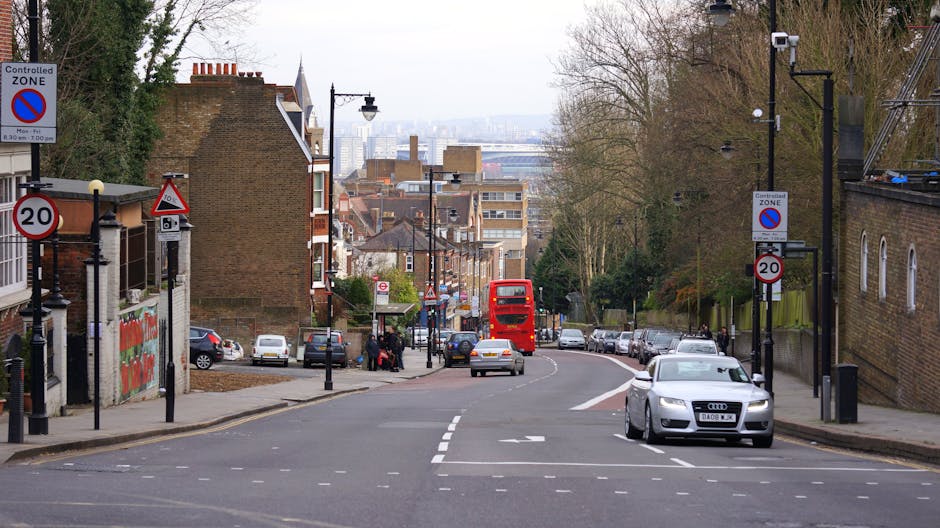
Parking issues can derail a move in minutes. In Haringey, as in much of London, streets are busy, space is tight, and loading time is often limited. If the vehicle blocks traffic, uses a suspended bay, or parks where it should not, a penalty can follow. That means avoidable cost, but it also creates friction for neighbours, building managers, and the removal crew.
The real problem is not just the fine itself. It is the chain reaction. A delay at the kerb can mean longer porter waiting time, extra labour, missed lift bookings, and in the worst case a second trip. Truth be told, that is the sort of thing that turns a day you thought would be tiring into a day that feels endless.
For tenants moving out of a flat, landlords often want the handover to happen on time. For homeowners, furniture may need to be shifted quickly before access closes. For offices, one blocked loading spot can hold up several staff and a whole relocation timetable. That is why access planning is not a side detail. It is part of the move itself.
Expert takeaway: If parking is tight, treat council rules as a moving-day constraint, not an admin chore. The earlier you plan for parking, the less likely you are to face penalties, delays, or awkward last-minute improvisation.
It also helps to think about the wider move experience. A well-organised team, sensible vehicle choice, and clear timings can reduce the need for risky parking decisions. If you are comparing options, pages like man and van, removal services, and movers can help you match the job to the street conditions.
How Council fines and parking suspensions for Haringey removals Works
Parking suspensions and fines usually come from two separate issues. A parking suspension changes what is allowed in a bay or stretch of road for a set time. A fine, or penalty charge, is the enforcement outcome if a vehicle parks contrary to those restrictions or in breach of another parking rule.
In practical terms, a removals van may need to stop outside a property to load or unload. If that space is controlled, time-restricted, suspended, or permit-only, the crew must check whether parking there is allowed for the duration of the move. If not, the vehicle should use another lawful location, a booked suspension, or an agreed alternative arrangement.
Here is the simple version:
- Identify the move address and road layout.
- Check whether the street has controlled parking, loading restrictions, yellow lines, or resident bays.
- Find out whether a suspension is needed for the bay or the section of road.
- Book the move time around access windows, lift availability, and traffic conditions.
- Make sure the driver and crew know exactly where they can stop.
- Keep proof of any permission or booking handy on the day.
That last step sounds small, but it is not. If a parking attendant sees a van where it should not be, you do not want the crew digging through messages while a sofa blocks the pavement. Little moments like that matter.
Parking suspension rules can feel a bit opaque, especially if you only move once every few years. The safest approach is to assume the street needs checking even if it looks simple. A quiet road at 8am can be a different place by noon. A bay that seems empty can be reserved. And yes, that is the kind of detail that catches people out.
For moves involving larger loads or multiple stops, a more suitable vehicle such as a moving van or removal van can reduce the number of parking manoeuvres required. Fewer manoeuvres usually means fewer chances to trigger enforcement. Simple, but useful.
Key Benefits and Practical Advantages
Planning around council fines and parking suspensions is not just about avoiding trouble. Done properly, it makes the entire move more efficient.
- Lower risk of penalties: You reduce the chance of parking tickets, suspension breaches, and complaint calls from neighbours.
- Smoother loading: The crew can work with less interruption, which keeps the move moving. Funny how that matters most when everyone is tired.
- Better time control: Fewer parking surprises means your schedule is easier to predict.
- Less physical strain: If the vehicle is positioned well, the walk from property to van is shorter and safer.
- Cleaner handover: Useful for tenancy exits, office fit-outs, and building management expectations.
- Improved neighbour relations: Nobody enjoys a van stuck halfway across an entrance while someone mutters from the pavement. Avoiding that helps.
There is also a commercial benefit. For business removals, parking mistakes can create knock-on costs that are awkward to explain later. If you are relocating stock, desks, or archive files, consider whether office removals or office relocation services are the better fit for the building access and timing you have.
One overlooked advantage is confidence. You feel calmer when the parking is sorted. And honestly, a calmer move is usually a better move. Less rushing, fewer arguments, fewer forgotten keys on the hall table.
Who This Is For and When It Makes Sense
This topic matters to more people than you might think. It is not just for big removals or people moving across the borough. Anyone using a van near a controlled street in Haringey should care.
It is especially relevant if you are:
- moving from a flat with narrow access or no private driveway
- booking a same-day or short-notice move
- moving furniture, appliances, or bulky items from a busy residential street
- relocating an office or studio in a dense part of the borough
- using a larger van or truck that needs a proper loading position
- working around lift bookings, concierge rules, or building access windows
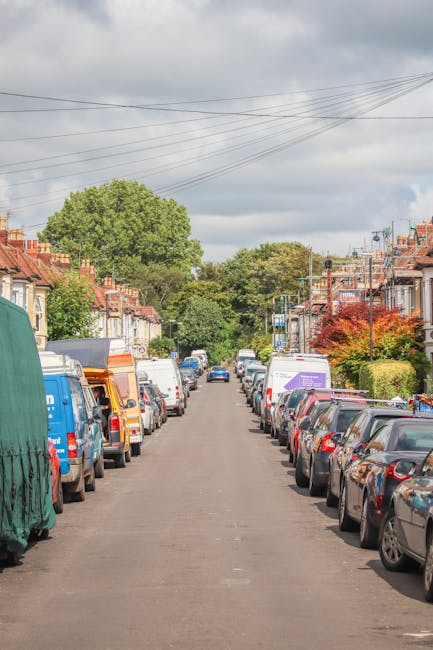
If you are in a terraced street where cars are parked close together, parking management matters even more. If you are in a building with a service entrance, it still matters. In our experience, people often assume the rear access or a nearby side road will solve everything, then discover on the day that it is either blocked, restricted, or too far for a good loading run. Not ideal.
This also applies if you are hiring help rather than doing the move yourself. A good team will ask about access early. If they do not, that is a small warning sign. You want a company that thinks about the whole route, not just the boxes. For that sort of planning, pages like removal company and removal companies can be useful when comparing what is included.
Step-by-Step Guidance
Here is a practical way to handle parking suspensions and council fine risks without making the process more complicated than it needs to be.
- Map the property access. Look at the road, nearby bays, side streets, and entrance points. Street view helps, but a quick look in person is better if you can manage it.
- Identify restrictions early. Check for yellow lines, resident bays, loading-only zones, pay-and-display bays, and any time-based controls around the planned move time.
- Decide whether a suspension is needed. If the van must occupy a specific bay or section of road, it may need a temporary suspension rather than a gamble on the day.
- Choose the right vehicle. A compact van can sometimes fit into tighter spaces with less disruption. A larger vehicle may be fine too, but only if the road layout supports it.
- Plan the move window. Early mornings can be easier for access, though not always. Midday can be busier. Let the property and the street set the schedule where possible.
- Brief the driver and helpers. Make sure everyone knows where the van can park, where the entrance is, and what to do if the space is taken.
- Keep your permission handy. Any approval, booking reference, or instruction should be easy to show if needed.
- Build in a fallback option. If the first spot is unavailable, know the alternative before the crew arrives.
A practical move is rarely perfect on paper. There is always one surprise: a neighbour's car, a delivery truck, a lift delay, or a bay you thought would be empty. The point is not perfection. The point is having a backup and not panicking.
If you need help matching the vehicle to the access conditions, man with van and man with a van services can suit smaller or more flexible moves, while larger jobs may lean toward a moving truck or broader removals support.
Expert Tips for Better Results
These are the little things that tend to save the most trouble.
- Start with the worst-case parking scenario. If the closest bay is unavailable, where does the van go? Answer that before the move.
- Use short loading runs. The shorter the distance from door to vehicle, the safer and quicker the move usually is.
- Check building rules as well as street rules. Some properties have separate requirements for loading, access, or delivery bays.
- Time the move around traffic. A ten-minute delay can be enough to lose a legal stop or make a bay harder to use.
- Keep communication simple. One point of contact, one clear parking plan, one backup option. Too many messages and things get muddled fast.
- Use the right team size. If access is awkward, extra hands can reduce the time spent blocking or waiting.
Another practical tip: do not leave parking decisions until the van is already arriving. That is how people end up hurriedly waving drivers into spaces that looked okay for thirty seconds and then turn out to be a problem. A bit of prep saves a lot of embarrassment.
If you are moving fragile items or want everything wrapped and handled quickly, packing and unpacking services can reduce the amount of time spent at the kerb. Less standing around means less exposure to parking issues. Very simple, but often overlooked.
Common Mistakes to Avoid
Parking fines usually come from avoidable mistakes, not bad luck. The same goes for suspension problems.
- Assuming a quiet street means unrestricted parking. It does not.
- Leaving access checks until the last minute. By then, your choices are much worse.
- Forgetting about time limits. Some loading spaces are not available for as long as a move needs.
- Ignoring building entrance rules. Concierge instructions and fire access routes matter too.
- Using a vehicle that is too large. If it cannot stop legally or safely, the move becomes harder than it should be.
- Not having a backup stop point. One blocked bay should not send the whole move off the rails.
- Thinking someone else has sorted it. Sometimes they have not. Worth checking, every time.
A lot of the stress on moving day comes from assumptions. We all do it. You think the road will be clear, the lift will be free, the box of cables will be obvious. Then reality arrives, right on cue. Better to check than guess.
Tools, Resources and Recommendations
You do not need a complicated toolkit to avoid council fines and parking issues. You need a few dependable checks and the right service pages to compare options.
Useful things to prepare include:
- a written move timetable with arrival, loading, and departure windows
- the exact postcode and access notes for the property
- photos of the front of the building and nearby parking layout
- contact details for the person who can make decisions on the day
- a list of large items that may affect van size or parking duration
When comparing help, look beyond the headline service name. A move that needs careful access management may be better served by a specialist team than the cheapest option. Pages such as removals near me, house movers, and home moves can help you compare local support without jumping straight to a booking.
It is also sensible to check the business basics, not just the move itself. For example, a provider's health and safety policy, insurance and safety information, and terms and conditions can tell you a lot about how carefully they work.
Law, Compliance, Standards, or Best Practice
Parking enforcement and road use are regulated matters, so caution is essential. In a place like Haringey, best practice means respecting local parking controls, checking street signage, and making sure any suspension or loading arrangement is properly understood before the van arrives.
There is no one-size-fits-all rule that covers every street, because different roads can have different restrictions. That is why the safest advice is to verify the specific location rather than relying on memory, habit, or what worked last time. Let's face it, what worked last time on another street may be irrelevant now.
From a removal-company perspective, good compliance means:
- not blocking access routes unnecessarily
- parking only where it is lawful and permitted
- using suitable vehicles for the site conditions
- keeping move times realistic
- respecting neighbours, pedestrians, and shared entrances
If the move is commercial, the stakes can be higher because delays affect more people and may interrupt trading or office use. That is one reason businesses often choose office relocation services or removal services that can coordinate access, timing, and vehicle positioning in a more structured way.
Bottom line: compliance is mostly about preparation and common sense, but in parking enforcement, those two things are worth a lot.
Options, Methods, or Comparison Table
Different move types call for different parking strategies. Here is a straightforward comparison.
| Approach | Best for | Pros | Watch-outs |
|---|---|---|---|
| Unrestricted curbside loading | Very quiet streets with simple access | Fast and easy if the space is genuinely available | Risky if signage or time limits were missed |
| Booked parking suspension | Moves where a specific bay or space is needed | More certainty and less dispute on the day | Needs early planning and correct timing |
| Alternative side-street loading | Busy roads where the front entrance is tight | Can reduce enforcement risk if chosen carefully | May add distance and extra carrying time |
| Smaller vehicle approach | Dense streets, flats, and short jobs | Easier to place legally and often less disruptive | May require more trips if the load is large |
| Full-service removal team | Complex home or office moves | Better planning, coordination, and workload sharing | Costs more than a basic van-only option |
Choosing the right method is usually about balancing time, distance, access, and vehicle size. If the parking is difficult, the best value is often the option that avoids a last-minute fine and a tired team dragging wardrobes down the road. That is not glamorous, but it is real life.
Case Study or Real-World Example
Imagine a third-floor flat move in a Haringey side street with controlled parking on one side and resident bays on the other. The move starts at 9:00am. The client assumes the van can stop outside for an hour while furniture is moved. On arrival, the crew finds a bay is suspended for roadworks and the other spaces are already full. If the van stops in the wrong place, a fine becomes likely. If it circles too long, the moving team wastes time and the lift slot slips away.
The better outcome would have been to check the layout two days earlier, reserve a suitable stopping point if needed, and choose a vehicle size that could park safely without straddling anything. In this scenario, a smaller man and van removals setup may have been a more practical match than a larger vehicle, especially where the street is narrow and the carry distance short.
With the parking plan sorted, the crew could load in a steady flow: sofa first, boxes next, fragile items last. The street remained clear, the neighbours stayed happier, and the move finished without the weary, slightly defeated feeling that comes from standing around waiting for space. You know the feeling. Not fun.
The lesson is simple: parking planning is not a bonus. It is part of the move design.
Practical Checklist
Use this before moving day. It is deliberately short and practical.
- Confirm the moving address and exact access point.
- Check nearby parking signs and restrictions.
- Decide whether a suspension or alternative parking position is needed.
- Choose a vehicle that fits the street, not just the load.
- Share the move window with everyone involved.
- Prepare photos or notes of the entrance, kerb space, and any tight corners.
- Keep permission, booking details, or instructions accessible.
- Arrange a backup stop if the first choice is occupied.
- Make sure fragile or heavy items are packed for quick loading.
- Have one person responsible for on-the-day decisions.
If the job is larger or more layered, it can also be worth checking furniture pick up for smaller item removal, or packing and unpacking services to shorten the time spent at the van. Every minute counts when parking is tight.
Get a free quote today and see how much you can save.
Conclusion
Council fines and parking suspensions for Haringey removals are not small admin details. They shape the whole day. If you get the parking right, everything else tends to feel lighter: the loading, the timing, even the mood. If you get it wrong, the smallest error can cause a long, frustrating chain of delays.
The good news is that most parking problems are preventable. Check the street, plan the stop, choose the right vehicle, and keep a backup in mind. That alone removes a lot of uncertainty. And when you are already juggling boxes, keys, and lift bookings, a bit of certainty is a gift.
Move carefully, keep the plan simple, and give yourself room to breathe. It really does help.
Frequently Asked Questions
Do I need a parking suspension for a removals van in Haringey?
Not always. It depends on the street, the bay type, the time of day, and whether the vehicle can stop legally without blocking restrictions. If the van needs a specific space for loading, a suspension may be the safest option.
What happens if a removals van gets parked in the wrong place?
A penalty may be issued if the vehicle breaches parking restrictions. That can add unnecessary cost and delay the move, so it is better to confirm the parking setup before arrival.
Can I just use a loading bay without booking anything?
Sometimes loading bays can be used within the posted rules, but not always. Check the signage and time limits carefully. If there is any doubt, treat it as needing confirmation rather than assuming it is fine.
How far in advance should parking be planned for a Haringey move?
As early as possible. Even a few days of lead time can help you spot restrictions, decide on a suspension if needed, and avoid a rushed decision on moving day.
Is a smaller van better for parking in Haringey?
Often, yes. A smaller van can be easier to place legally on narrow streets or in tighter residential areas. That said, the best size depends on the load, the carry distance, and the building access.
What should I check before the removals crew arrives?
Check the parking signs, the entrance route, the loading area, and any building rules. Also make sure the crew knows the exact spot to use and who can help if the first choice is taken.
Do office moves need the same parking checks as house moves?
Yes, and sometimes more. Office relocations can involve stricter building rules, loading windows, and multiple people waiting on access. Good parking planning helps the whole operation run more smoothly.
What is the best way to reduce the risk of a council fine?
Use a lawful parking position, plan early, and do not assume a space will be available just because it looks empty on a map. A backup option is always smart.
Should I tell my removal company about parking restrictions?
Absolutely. The more accurate the access information, the better they can choose the vehicle, time the move, and avoid a bad parking decision. It saves everyone grief, to be fair.
Can parking problems delay the whole move?
Yes. A blocked bay or an unexpected restriction can slow loading, push back handover times, and create knock-on issues. That is why parking planning is so important.
What kind of removal service is best if parking is tight?
It depends on the property, but a flexible service with the right vehicle and good planning is usually the safest choice. Smaller or more adaptable services can work well in narrow streets, while larger moves may need a fuller removal setup.
Where can I find more information about service standards and booking terms?
Useful starting points are the company's about us, pricing and quotes, payment and security, and privacy policy pages. They help you understand how the service works and what to expect before you book.